Made in USA Inc. underscores the growing demand for verified domestic sourcing as manufacturers prioritize transparency, compliance, and trusted supply chains.
‘Made in the USA’ is evolving from a label into infrastructure. In a digital economy, trust must be verifiable—not assumed”
WASHINGTON, DC, UNITED STATES, March 7, 2026 /EINPresswire.com/ — Made in USA Inc. (OTC: USDW) advances verifiable origin using immutable data wallets to secure supply chains and stop counterfeit products.
Company outlines how origin claims are shifting toward verification-based standards amid rising counterfeit risk and procurement compliance pressure.
“Made in the USA” has traditionally been viewed as a consumer-facing label indicating domestic production. However, increasing supply chain complexity and geopolitical risk have elevated origin verification into a broader policy and procurement issue.
Across multiple sectors—including defense procurement, healthcare, food systems, and critical infrastructure—buyers and regulators face growing challenges related to counterfeit goods, falsified origin claims, and component substitution. In many cases, product documentation may rely on supplier declarations, paper records, or static labeling that is difficult to validate once products move through multiple intermediaries.
Federal enforcement activity and ongoing policy initiatives focused on reshoring and procurement integrity have driven rising demand for verification mechanisms that provide traceable documentation of product origin and manufacturing history. Industry observers note that traditional compliance documentation may not provide sufficient assurance when products include embedded electronics, software, or connected components.
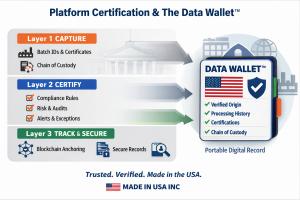
In response to these trends, Made in USA Inc. (OTC: USDW) has released a commentary outlining how “Made in the USA” may increasingly function as a verification standard rather than a marketing claim. The company notes that emerging verification frameworks are shifting toward digital documentation models that record manufacturing events, inspections, audit history, and compliance data in formats that can be independently validated.
Made in USA Inc. states that strengthening product-level verification systems could help government agencies, regulated industries, and enterprise buyers improve procurement integrity and reduce exposure to counterfeit goods.
As supply chain risk continues to expand, the company believes “Made in the USA” claims may increasingly be evaluated not only by stated origin but also by the ability to verify documentation and traceability through secure, tamper-resistant records